Prism Labs is a software and robotics company in North Dakota. The lab builds instruments for people making decisions in the field, at a desk, and around a machine.
Aditya came to this work through environmental engineering, physics and materials research at North Dakota State University. Prism brings software, field studies and physical prototypes into the same lab.
Prism began at North Dakota State University with an idea for drones that could find and collect ocean plastic. Along the way came field forecasts, a strawberry-counting model and Franky, a rover built from a second-hand hoverboard.
EcoGrow used our provisionally patented NDSU technology to clean algae from rivers and lakes and turn what it captured into sustainable fertilizer. It reached the finals of the gener8tor North Dakota accelerator.
North Dakota has no ocean, and it needed answers at home. One idea became a family: Blue Sentinel for water, Green for farms and forests, Brown for soil, Black for oil spills and runoff, Teal for coral reefs, with air, wildfire and hazardous waste next.
EcoGrow went through gBETA Fargo from the fall to December 2025, with a lot of customer discovery on the way: talk to the people who would use it, then build.
Harvard Business School Foundry: back to the engine
Nominated by the NDSU Research Foundation. The bootcamp pushed us to strip away the environmental layer and keep what was underneath: a raw engine that could serve any field.
CleanSentinels, mid-transition, reached the gener8tor North Dakota finals, and the founder's op-ed behind it, submitted to Human Progress, was published there.
The first audits worked, but people called it a chatbot wrapper. So we gave the engine a job no wrapper can do: 9.8 million US patents and 109 million claims. That work became Prism Patents, now being rebuilt on a new patent database.
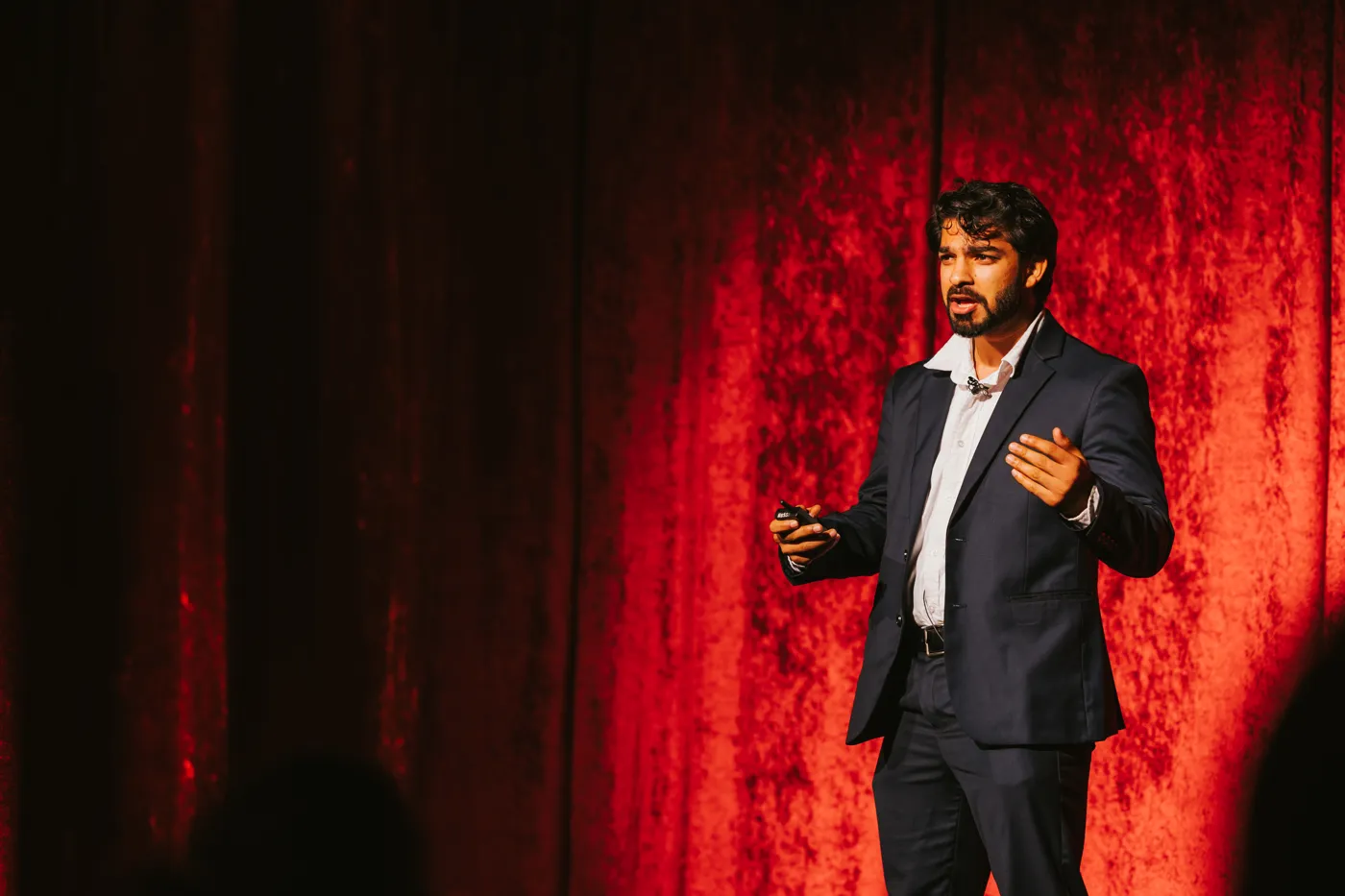
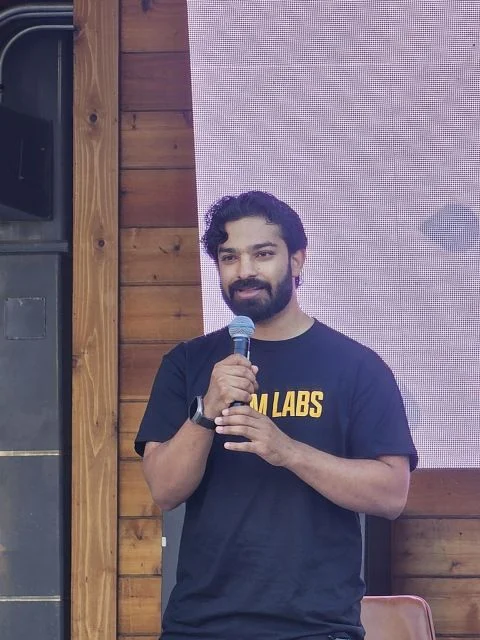
We shared the Prism Labs story, from an ocean research project to software and robotics for specialized work, with the region's startup community at Startup Brew.
prismlabs.solutions launched with the full product line on 21 September. Prism Acre moved to its own address and Prism Robotics opened Prism Sim on the 26th, Prism GIS opened on the 27th and the Leaf Lab on the 28th: four products open to anyone in the browser.
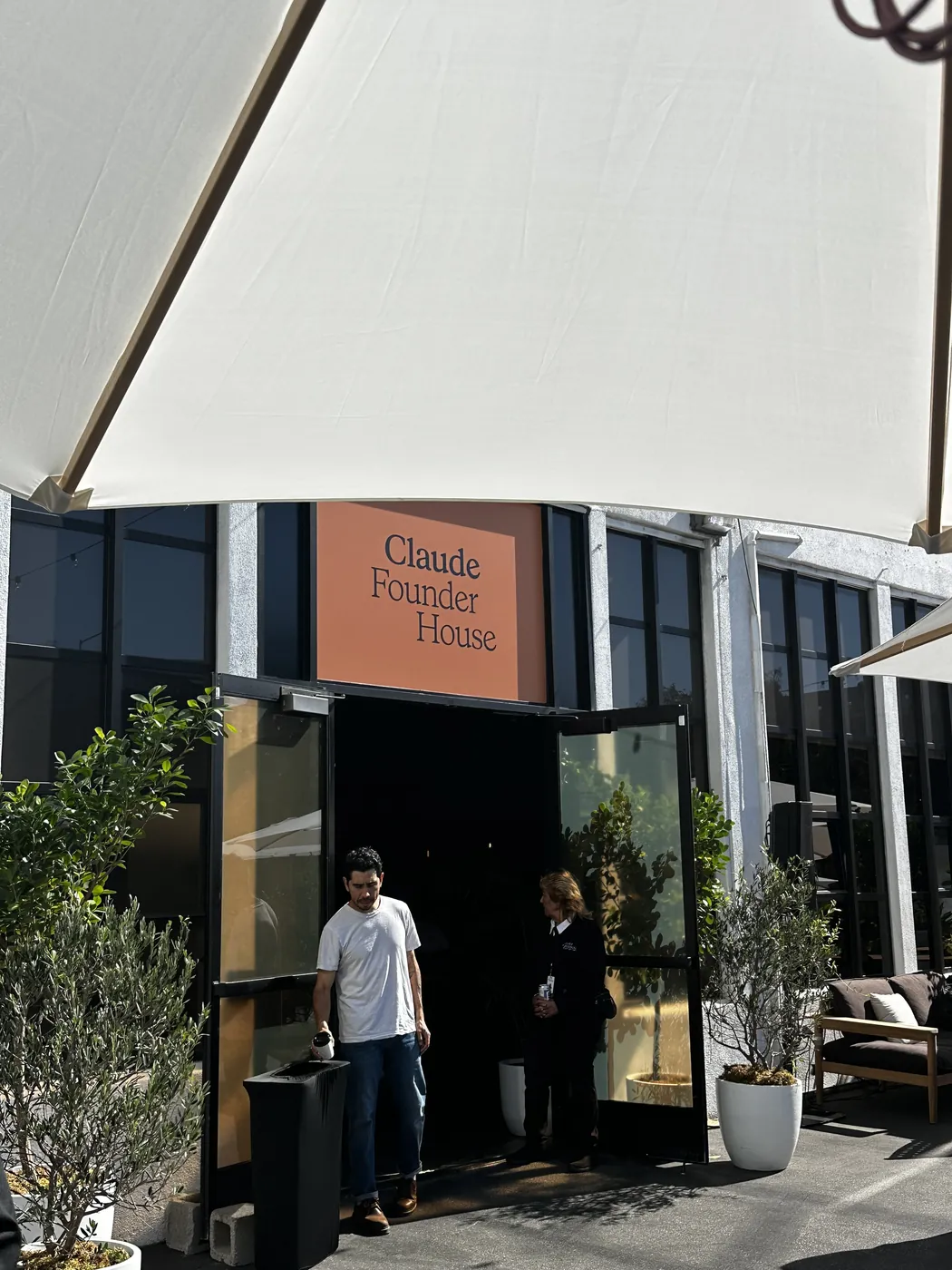
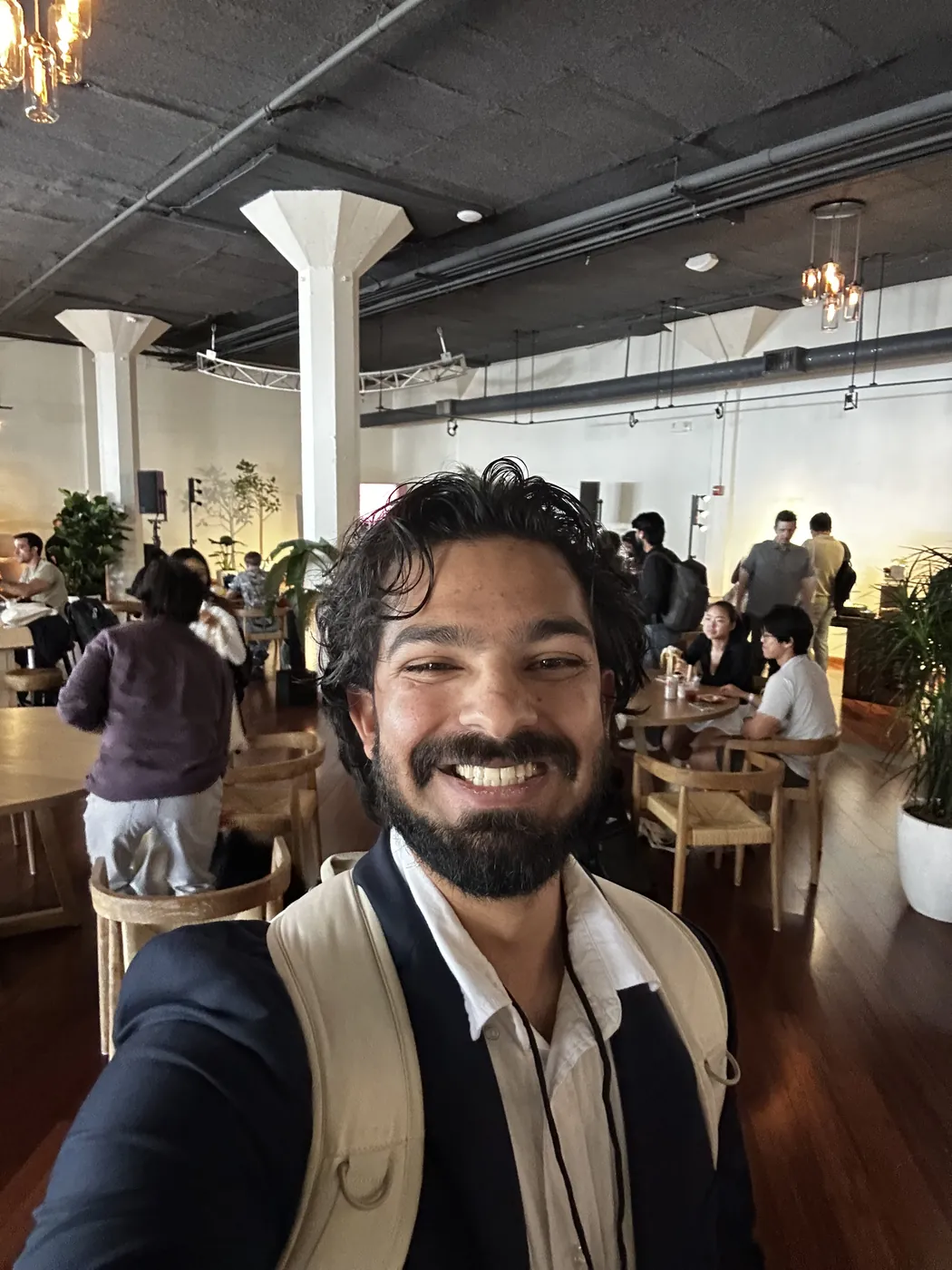
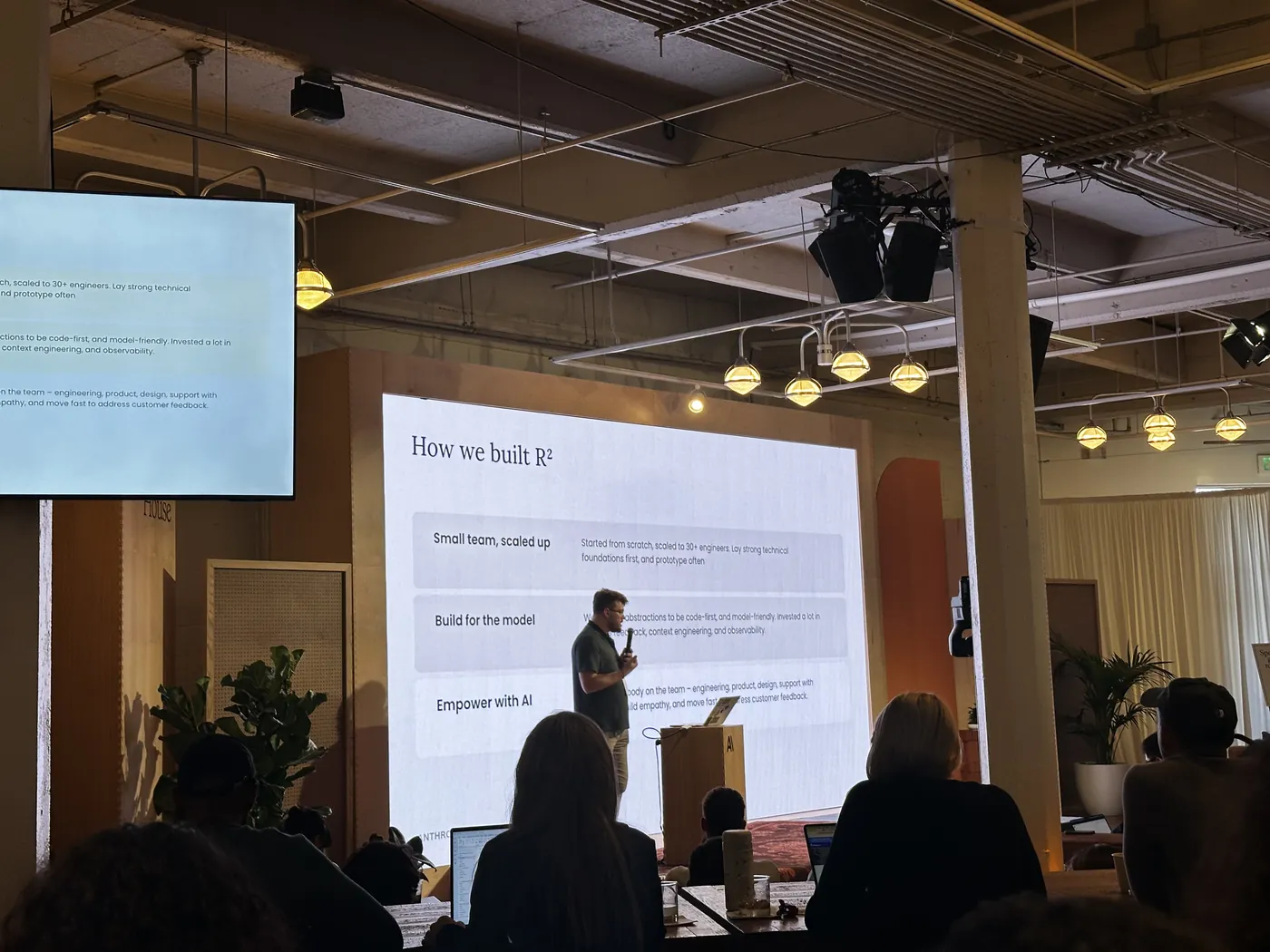
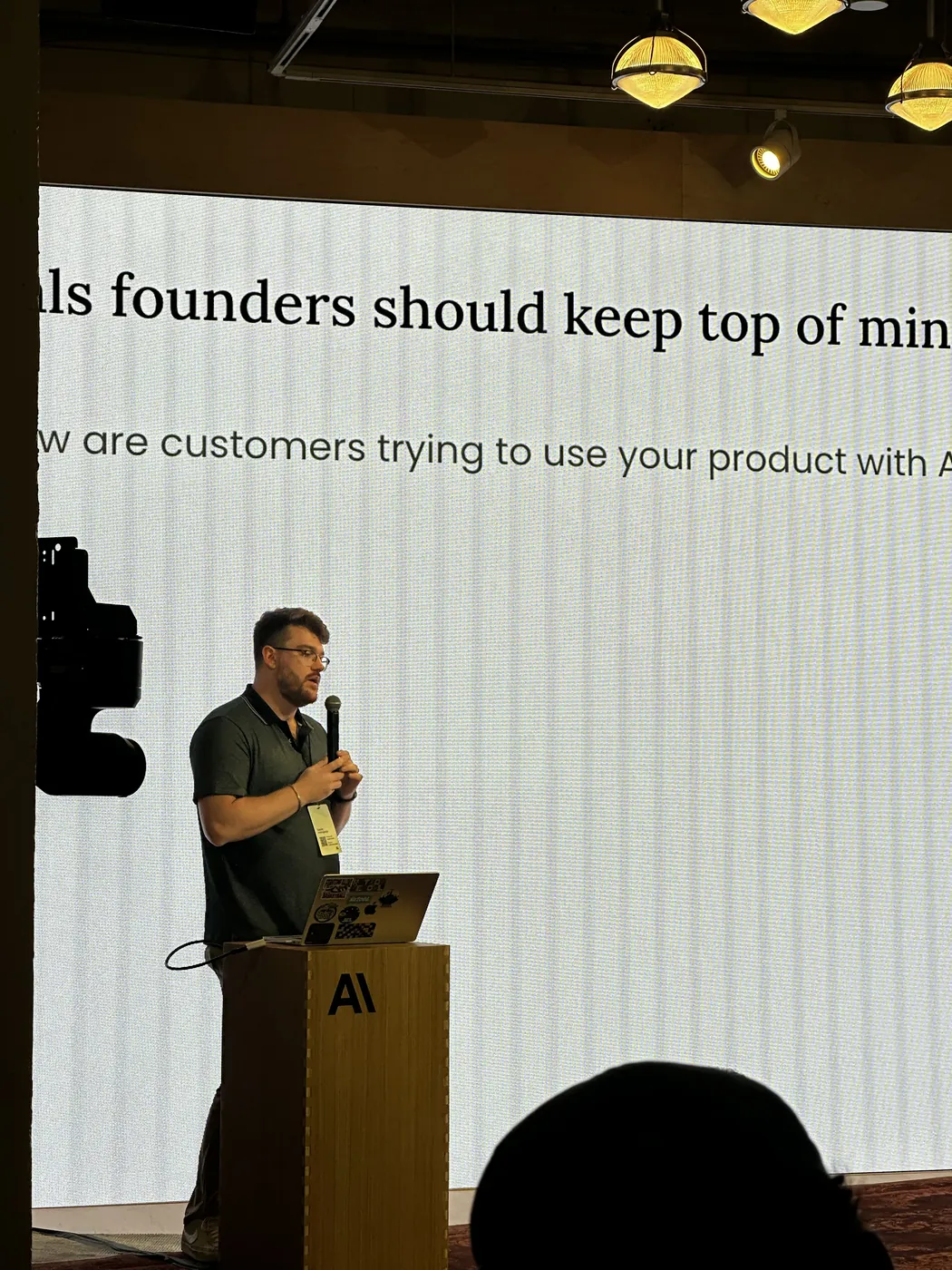
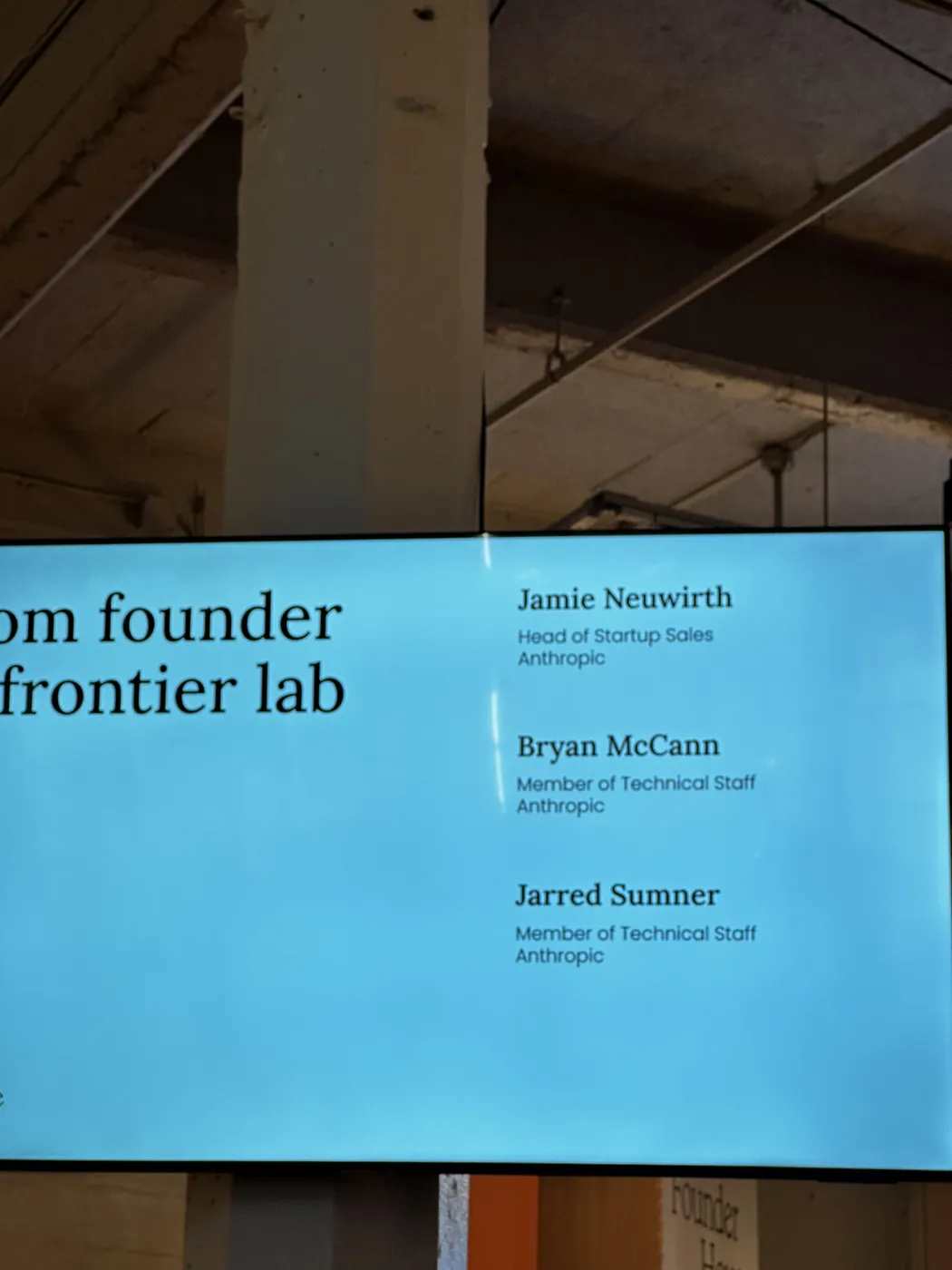
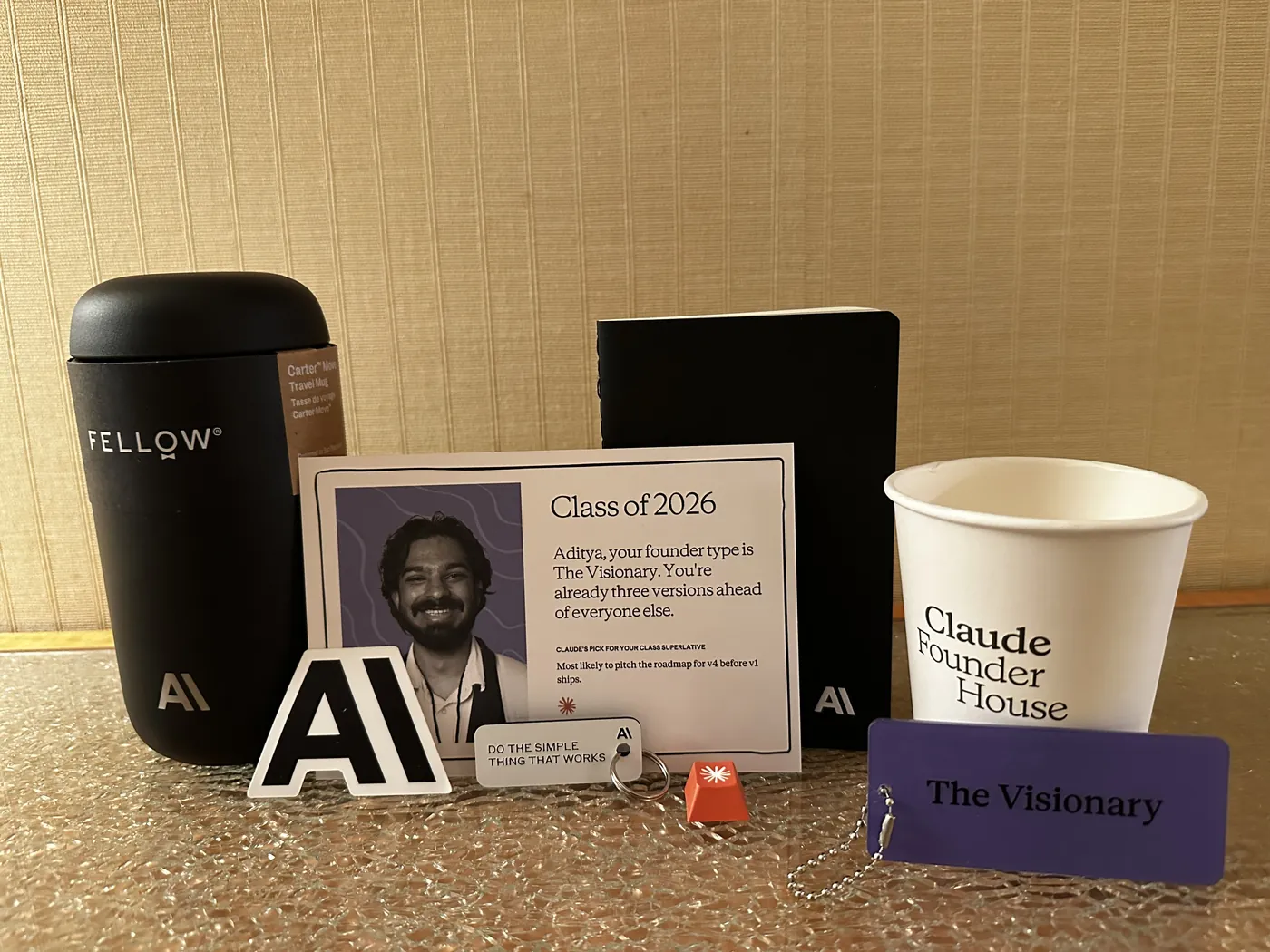
Selected to attend Claude Founder House in San Francisco, hosted by Anthropic during SF Tech Week. The best part was the founders: hearing what they are building, sharing what we are building at Prism Labs, and testing our assumptions in conversation. It showed that the needs we work on resonate well beyond North Dakota.
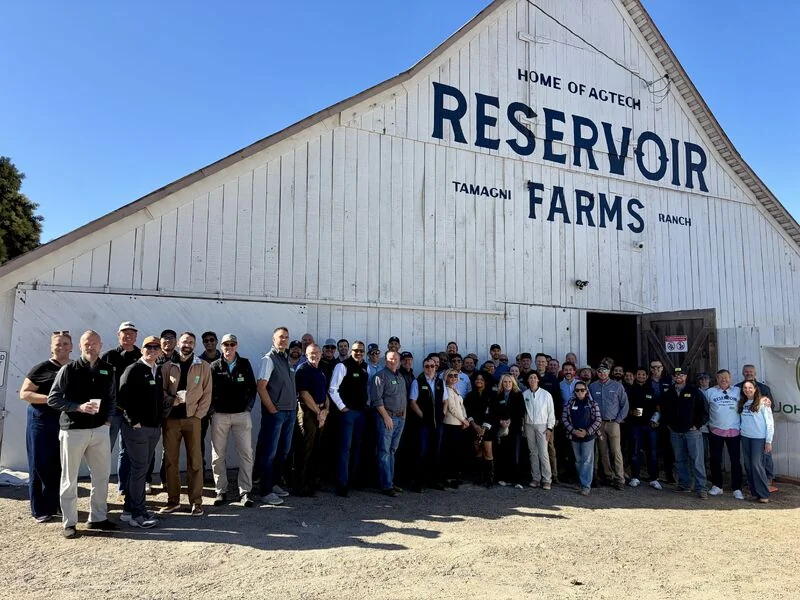
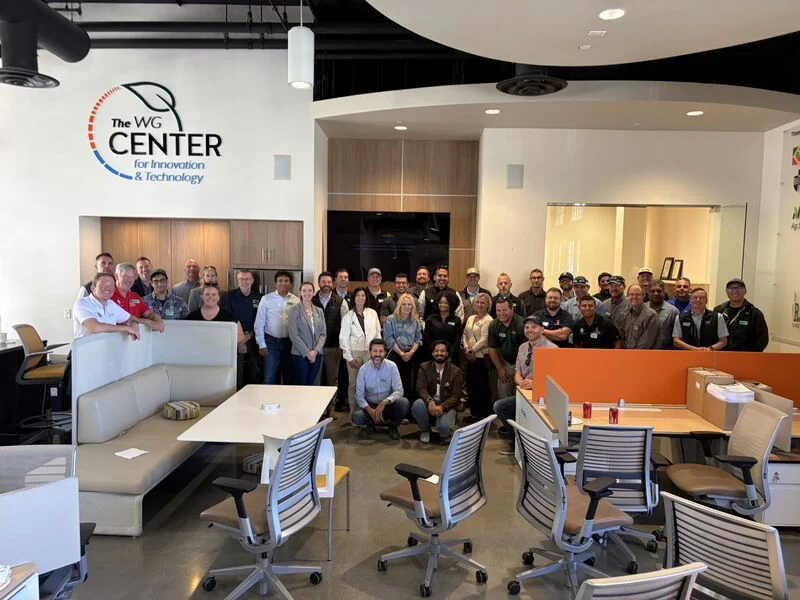
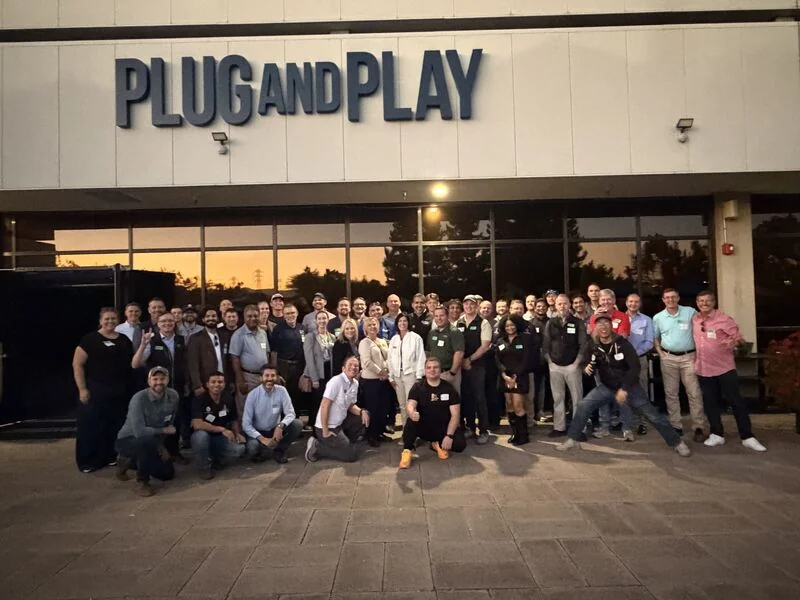
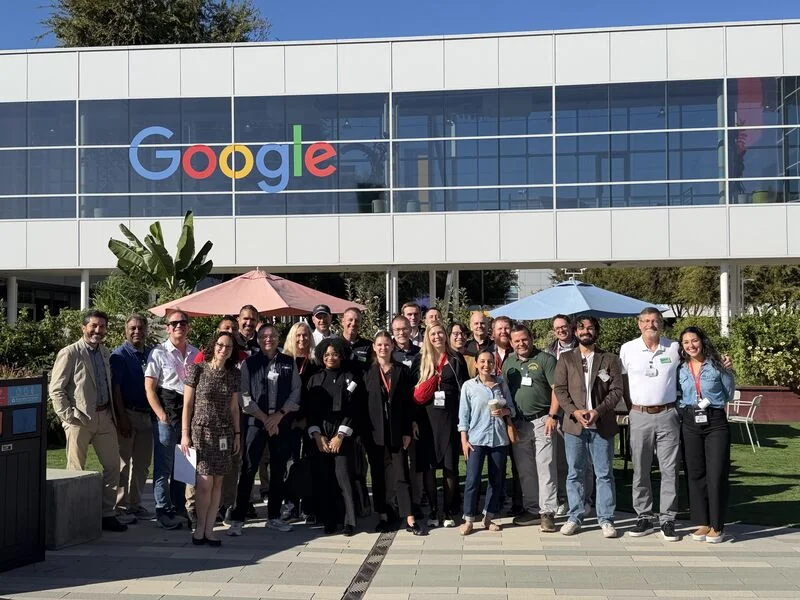
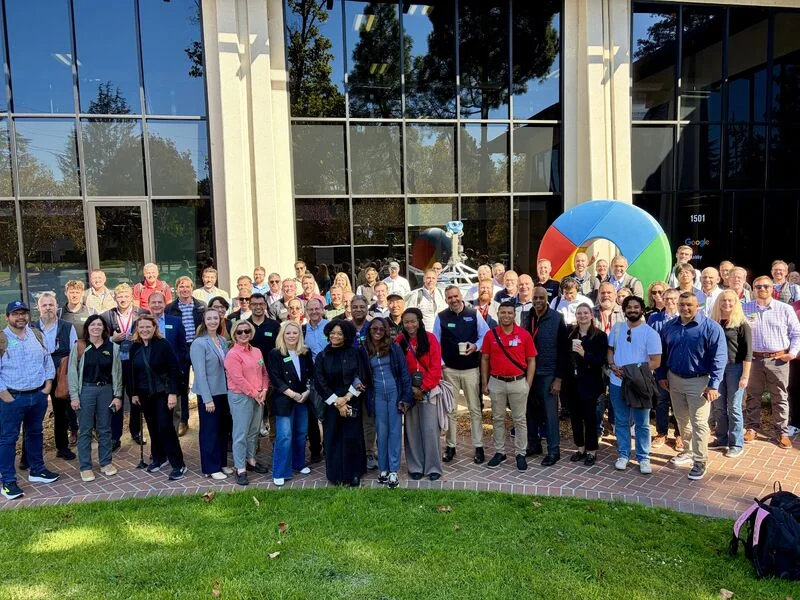
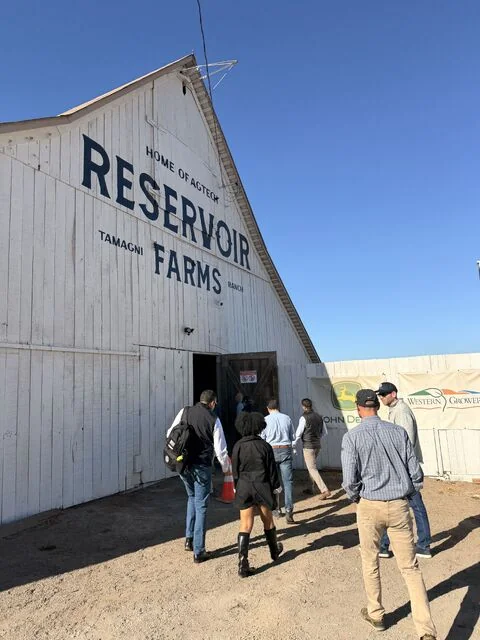
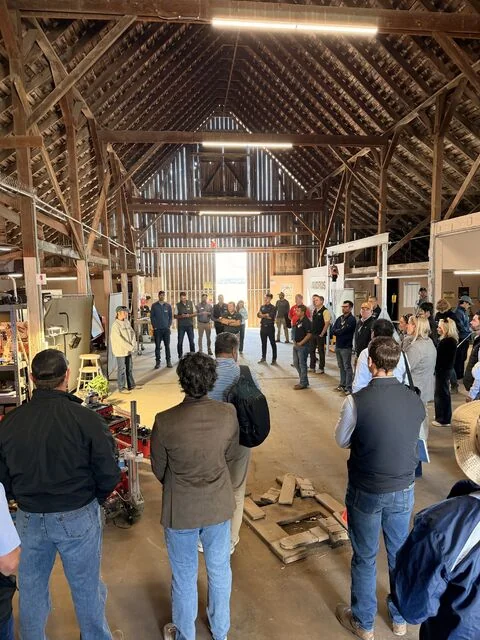
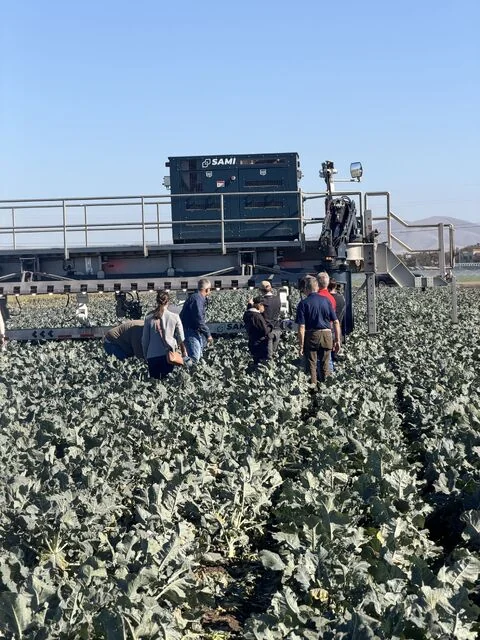
Thank you to Trilogy Networks for this opportunity, to the Grand Farm team for organising it, and to Reservoir Farms, the Western Growers Center for Innovation, Plug and Play and Google for hosting us. Seeing farm robots tested in commercial fields, then hearing from investors and from Google about scaling AI, showed us where the Rover has to go.
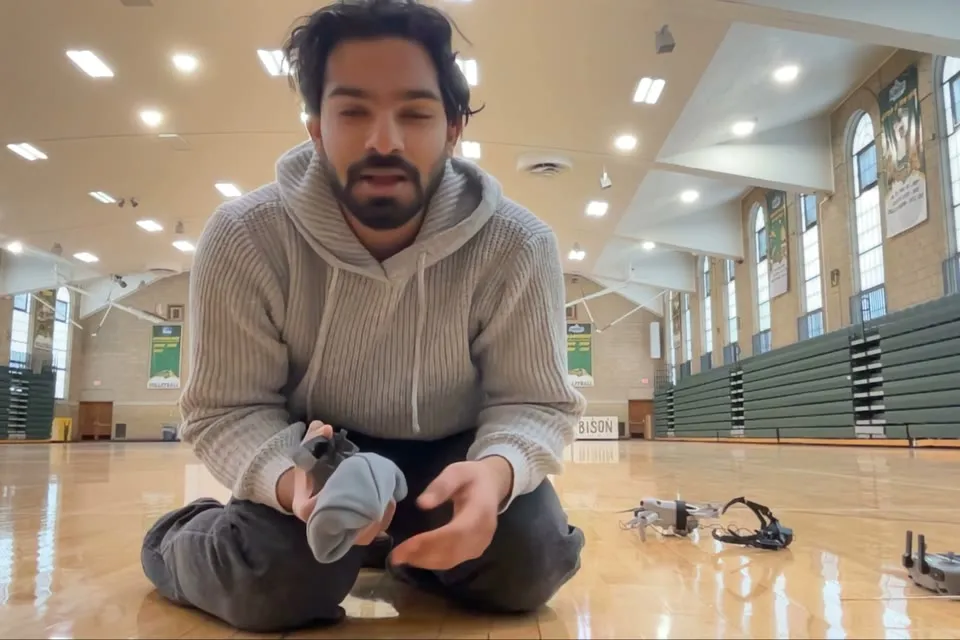
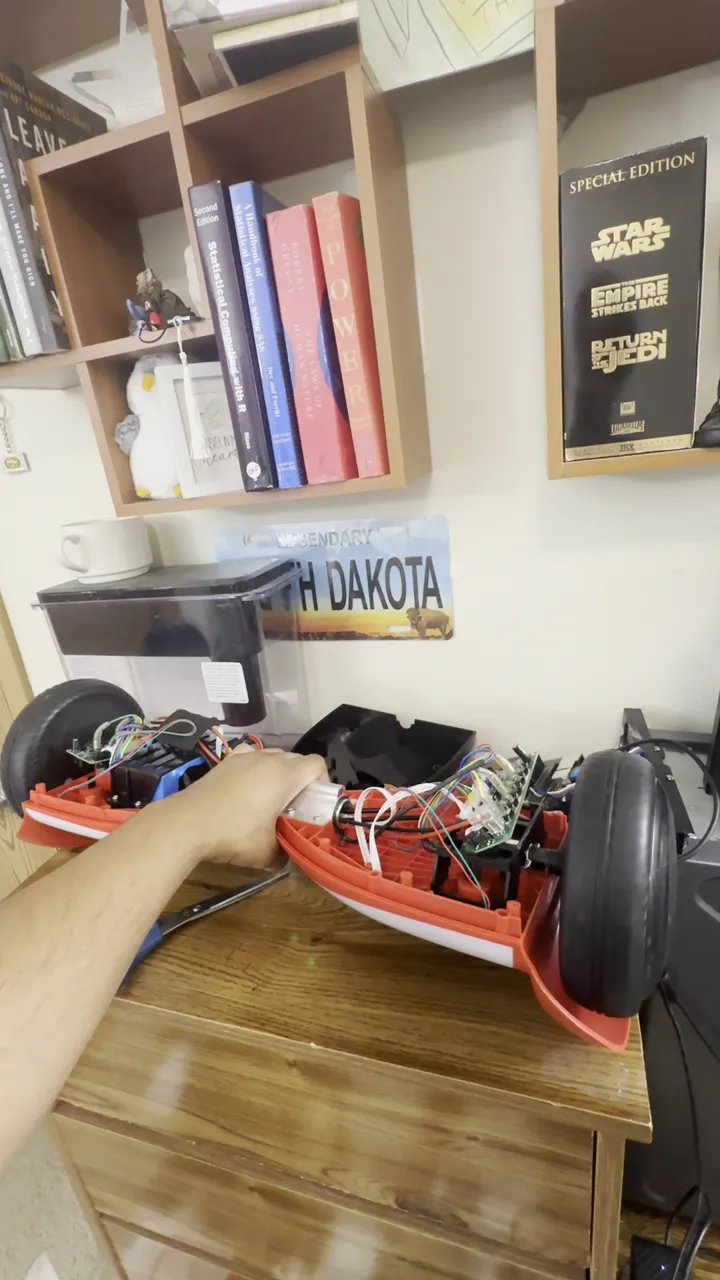
Before there was a rover, there were wheels. We took over a second-hand hoverboard's motor controller and drove its wheels from our own code, measuring how fast and how far they turn, so the same mechanism could carry a rover. The code ran the test while Aditya held the board. That drive went on to power the rover.
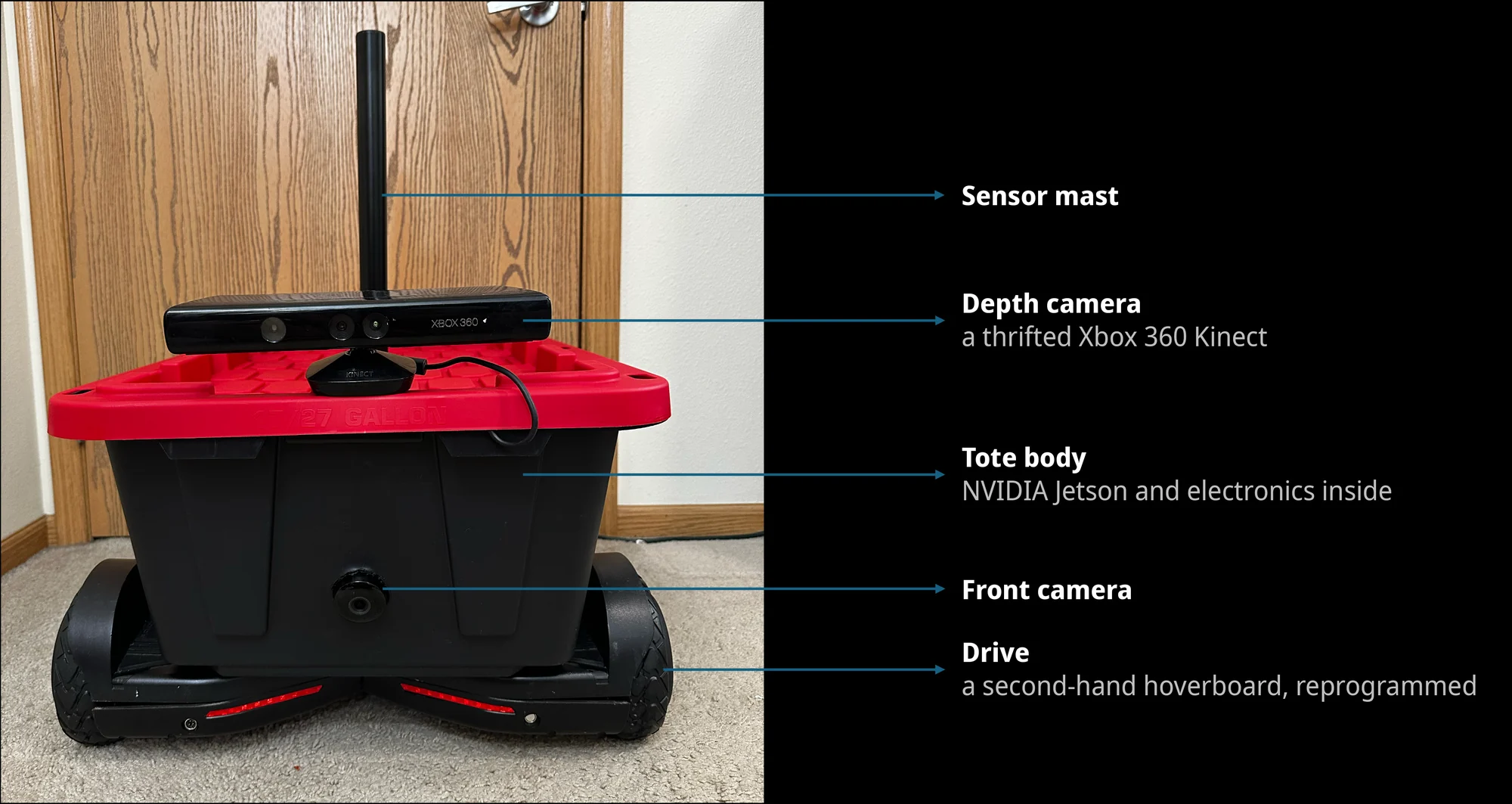
Our first hardware moved from simulation to a physical prototype, nicknamed Franky the Frankenstein: a second-hand hoverboard reprogrammed as its drive, thrifted cameras and sensors, and an NVIDIA Jetson as its brain, built to keep costs as low as possible. It has been tested internally; next come more testing and a few more parts, then the field.
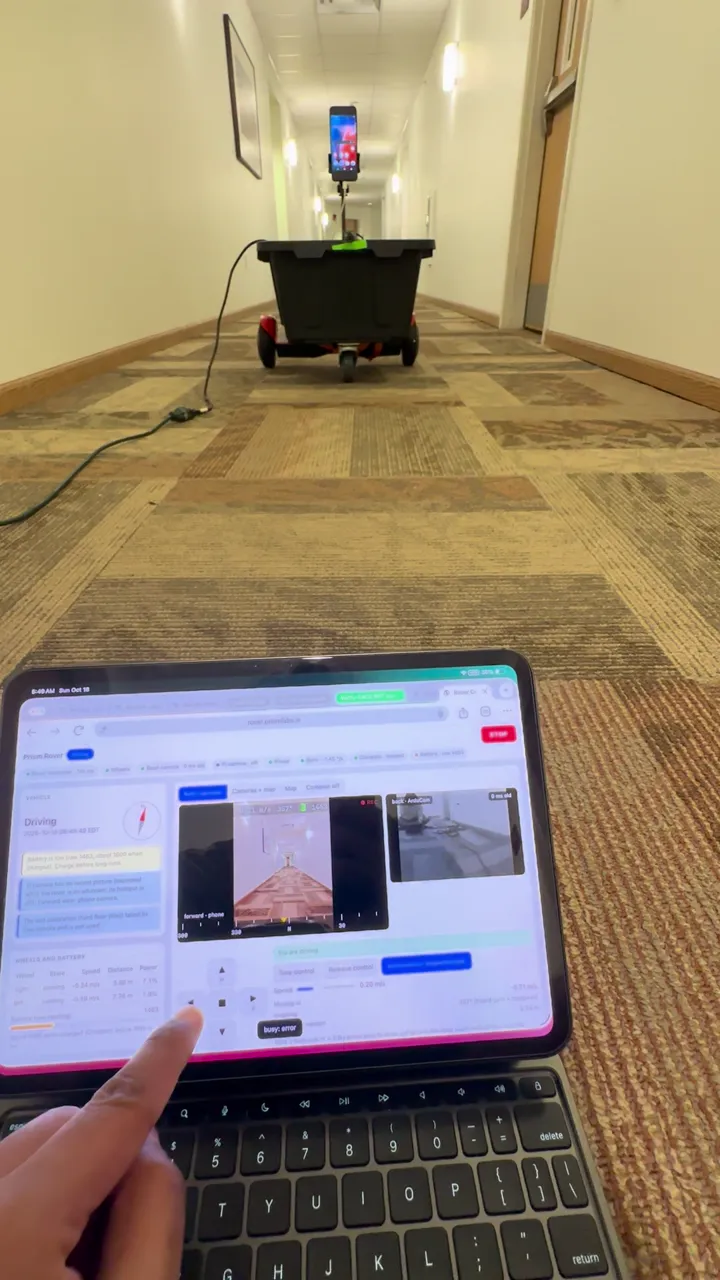
Franky drove a corridor under control from the Prism Rover dashboard on a tablet: live forward and rear cameras, wheel and battery readings, a stop button, and the path drawn on a map as it went.
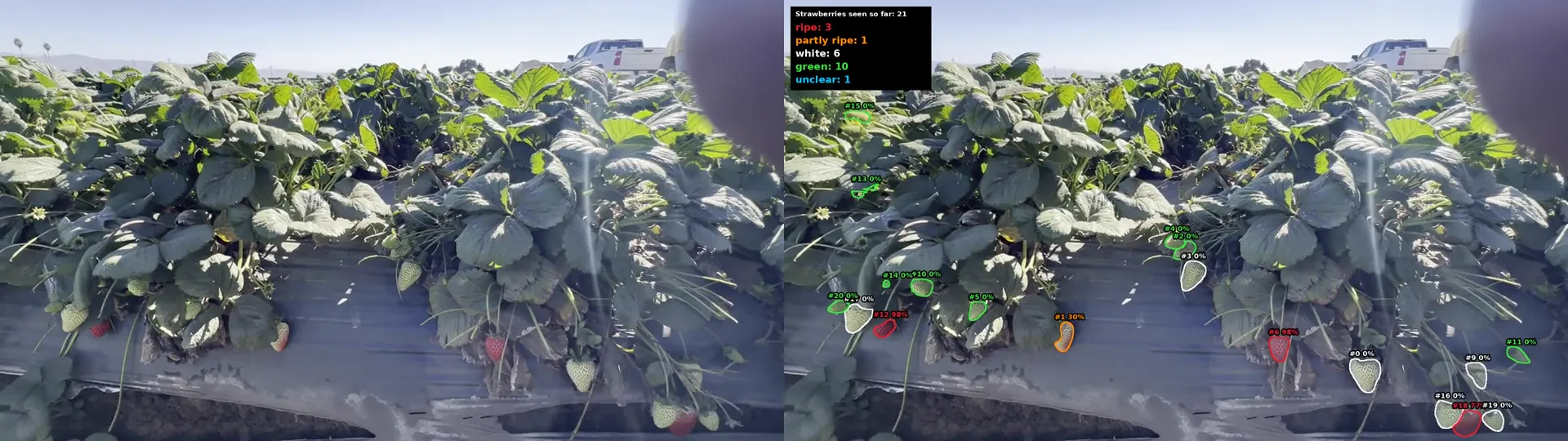
Crop Vision’s first test on strawberry-farm footage
Crop Vision ran on footage from a strawberry farm: each strawberry outlined, followed with one number as the camera moved, and graded by ripeness from its colour. A first test; the grades are not yet checked by hand.
Reservoir Farms · camera view and Crop Vision estimatesTodayCrop Vision
Into the Google for Startups Cloud Program
Prism Labs was accepted into the Google for Startups Cloud Program, with Google Cloud credits for the work that goes beyond our own server.
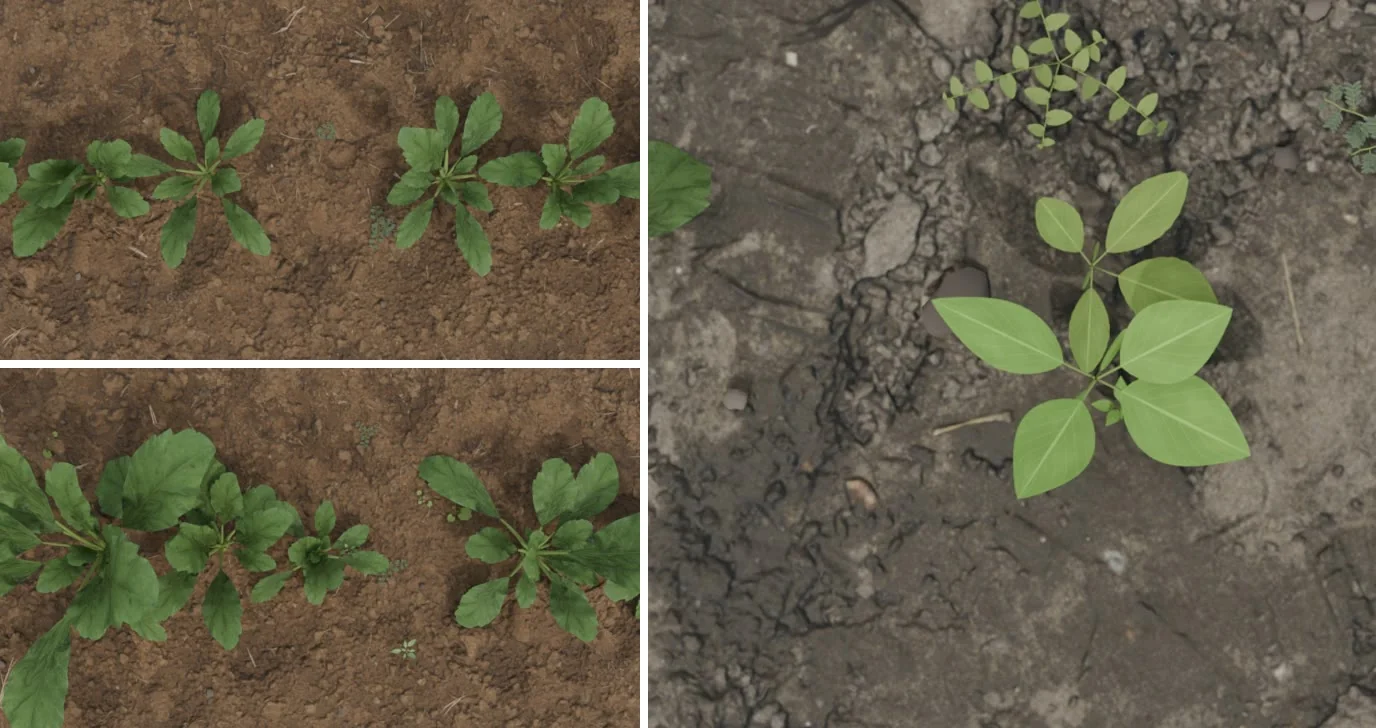
Prism Sim built sugar beet rows as the Rover's downward camera will see them: each plant and weed a 3D model on a scanned soil surface. A simulation, not a photo of a field.
CleanSentinels: finding environmental change in the images we already collect.
CleanSentinels is the founder's environmental-intelligence platform, launched in Fargo, North Dakota in 2025 and a finalist in Innovate ND for Spring 2026: AI that helps people examine satellite, drone and ground imagery for signs of water pollution, forest loss, soil degradation, oil spills and reef stress, so an investigation has a better place to begin. It was integrated into Prism Labs and ultimately became Prism Robotics, which takes the same question, giving the planet eyes to see, into the field.

















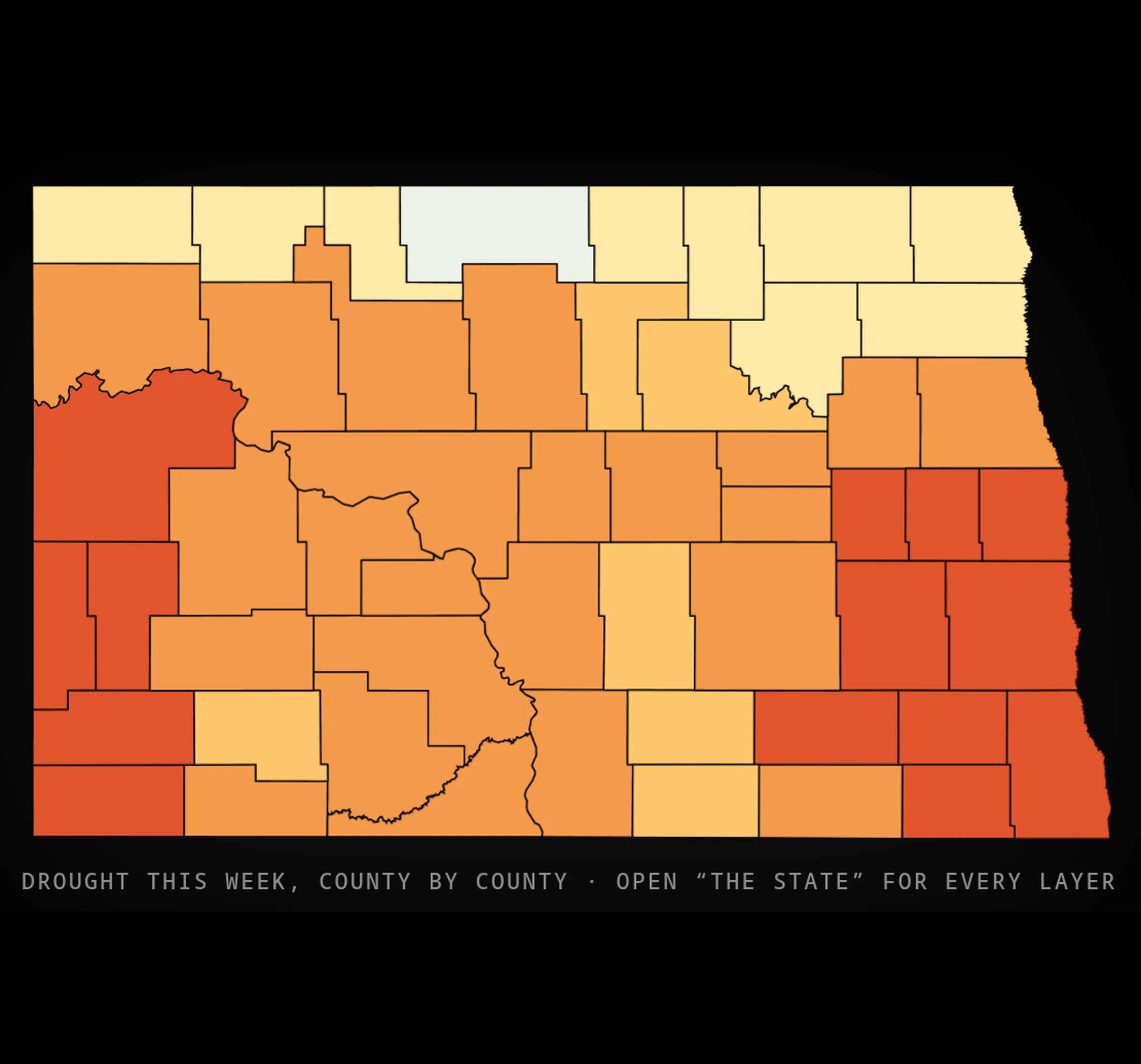 Prism AcreCompare hourly weather, frost risk, and spray windows for a field in North Dakota or Minnesota.Web app
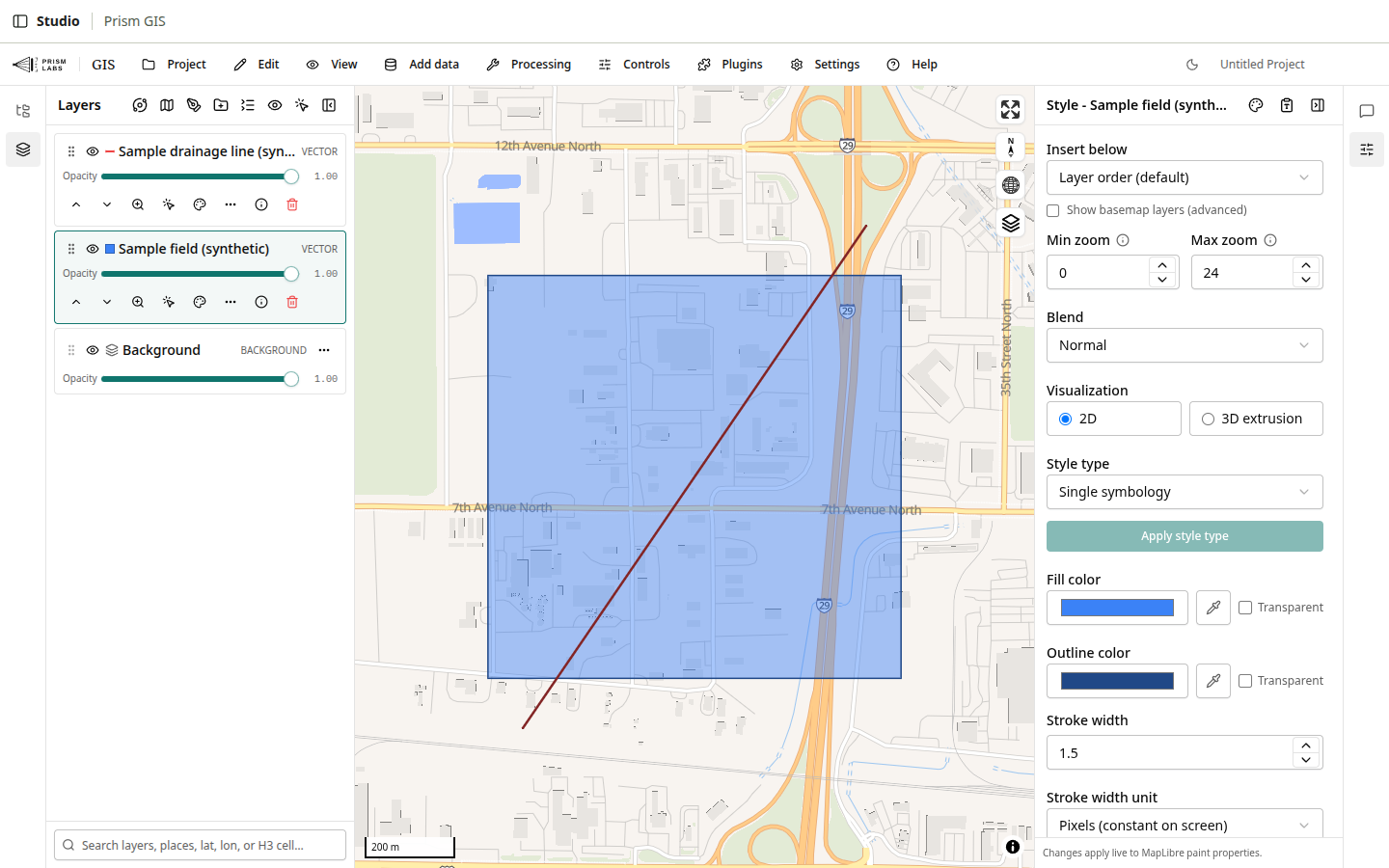 Prism GISBuild a map with your own layers. Edit features, measure boundaries, and run spatial analysis.Web app
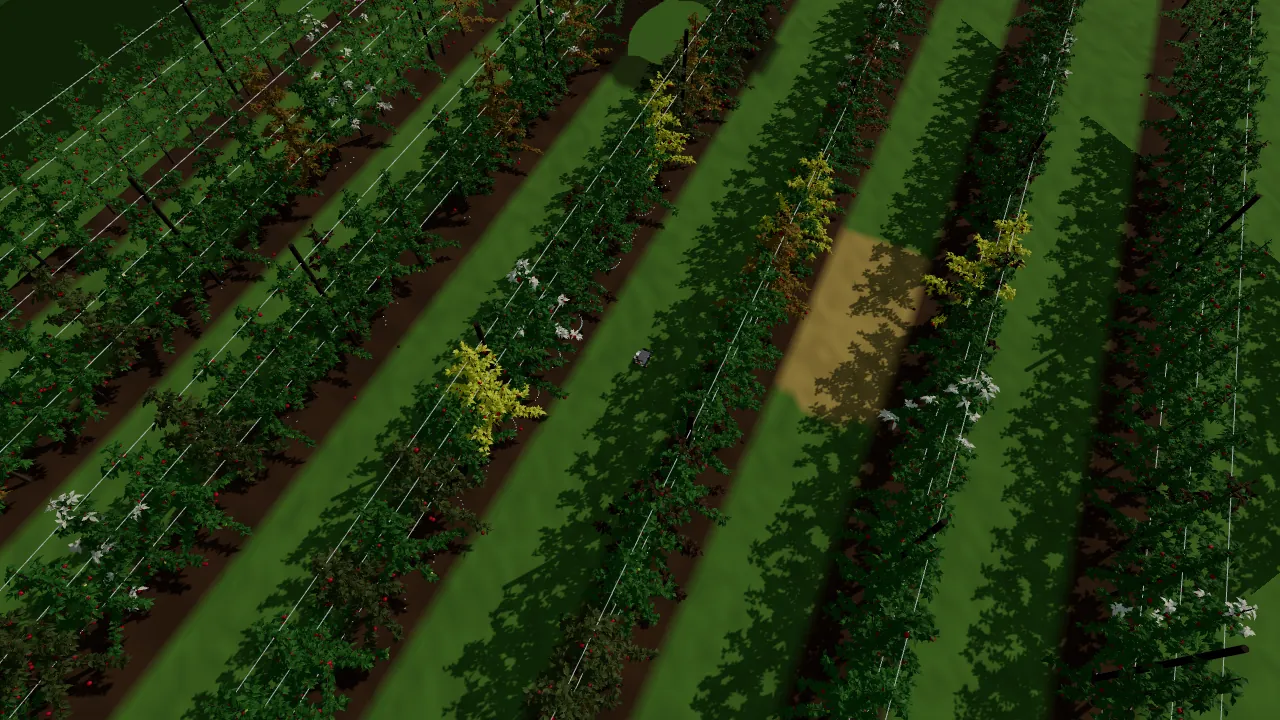
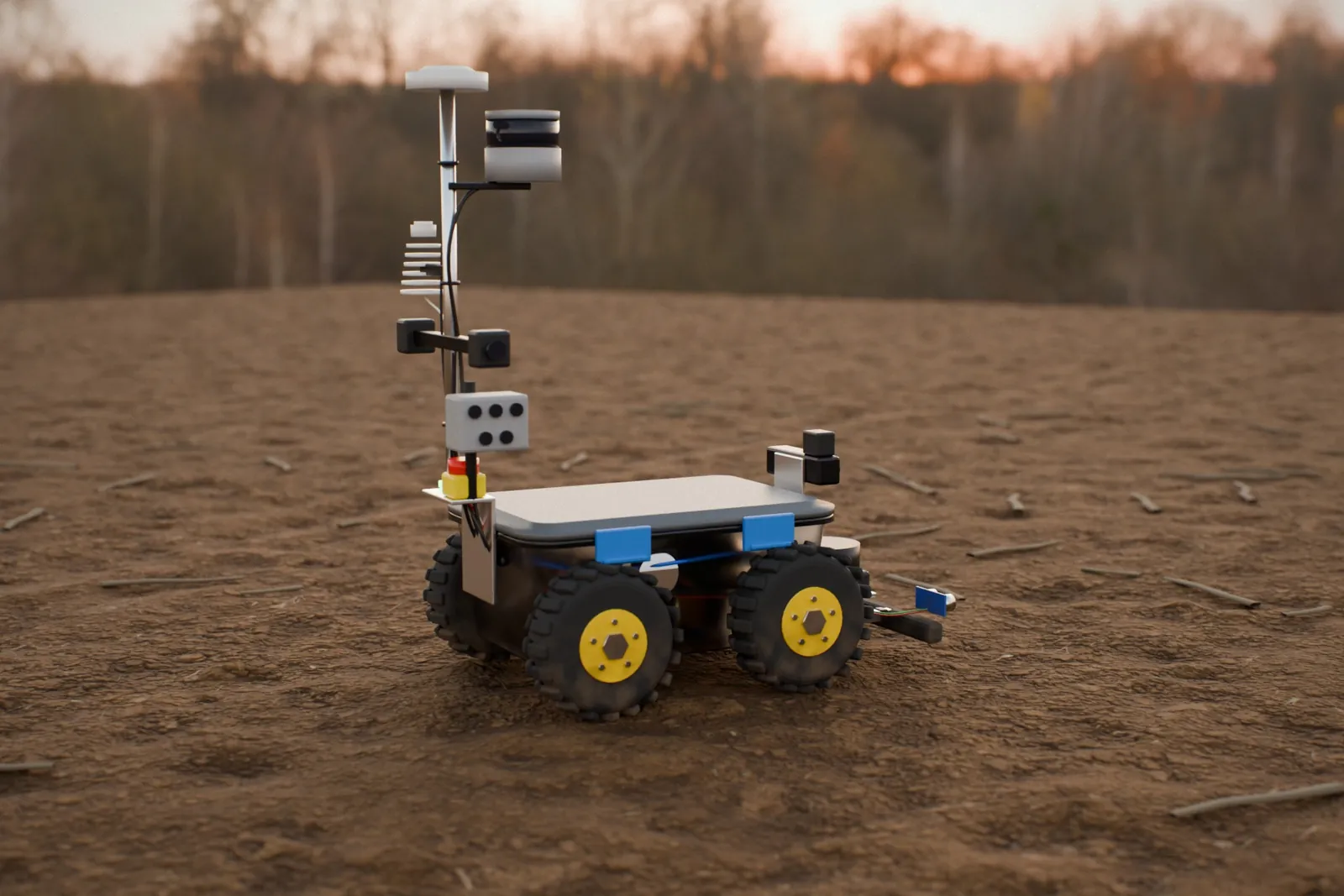 Prism RoboticsDrive a simulated crop row or watch an operator steer Franky, Prism’s first physical rover.Hardware & simulation